






































2026 marks the 100th year celebrating Black History Month in America. As a Black student, I wanted to honor that by giving a platform for Black students to share their stories and experiences.
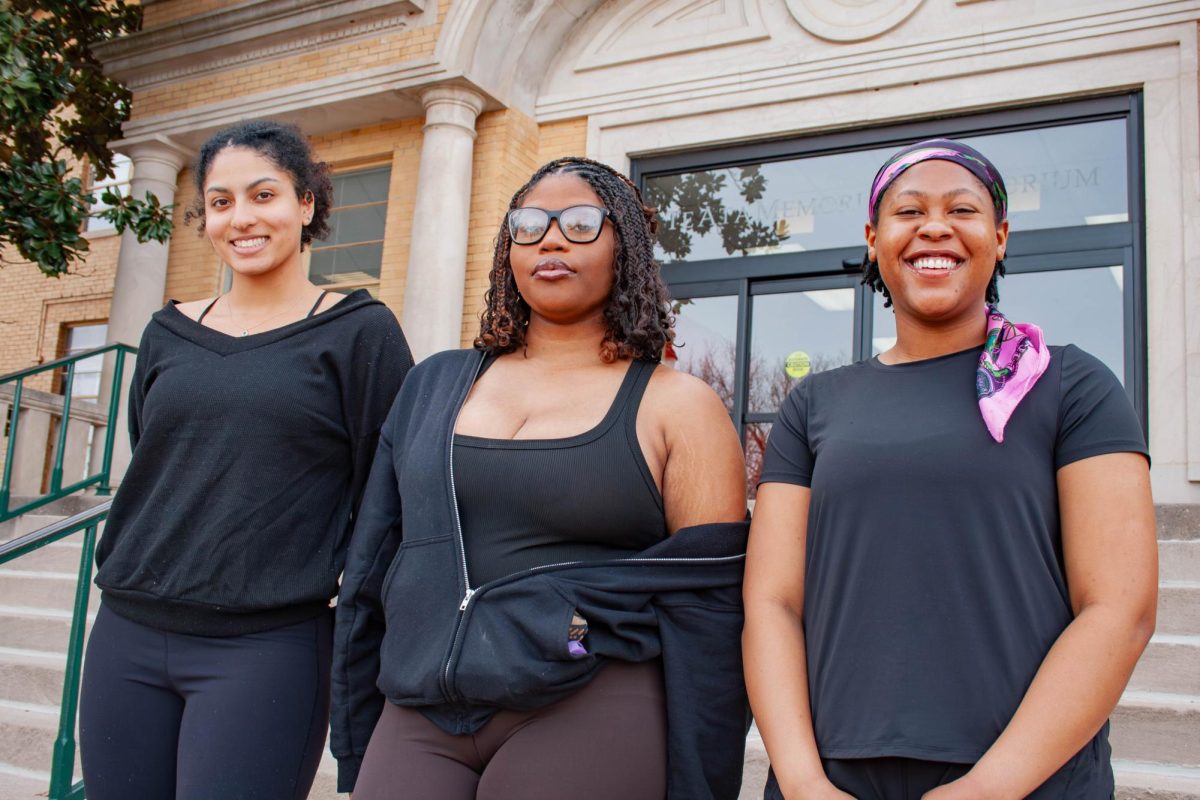
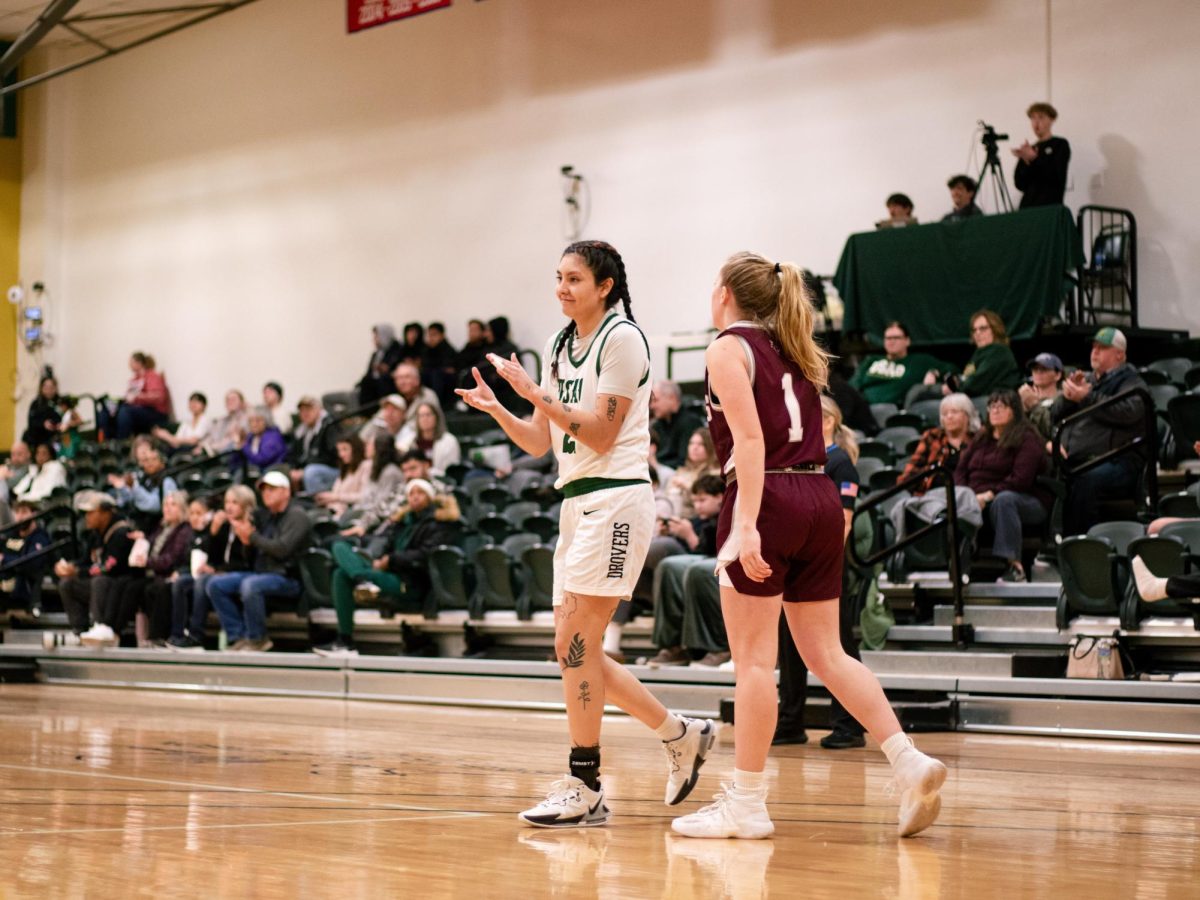
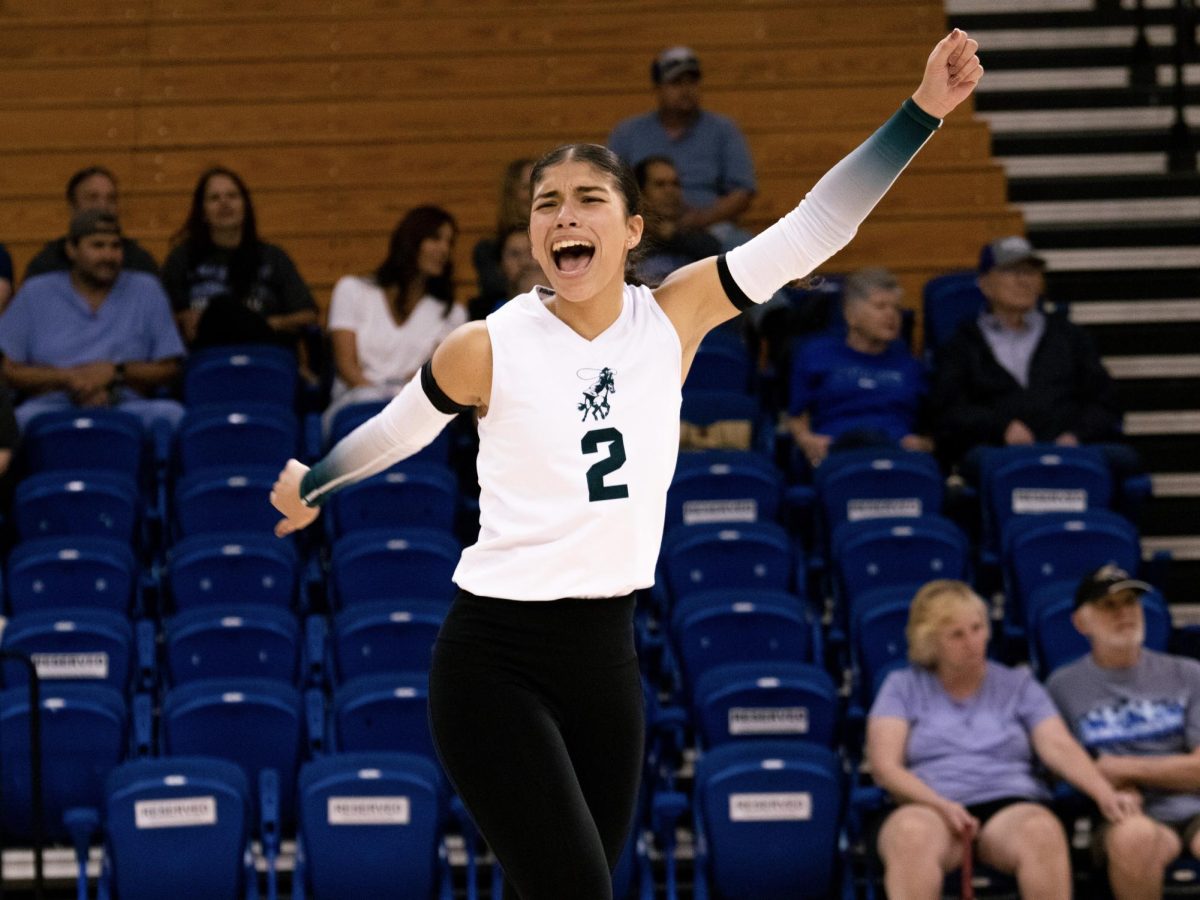
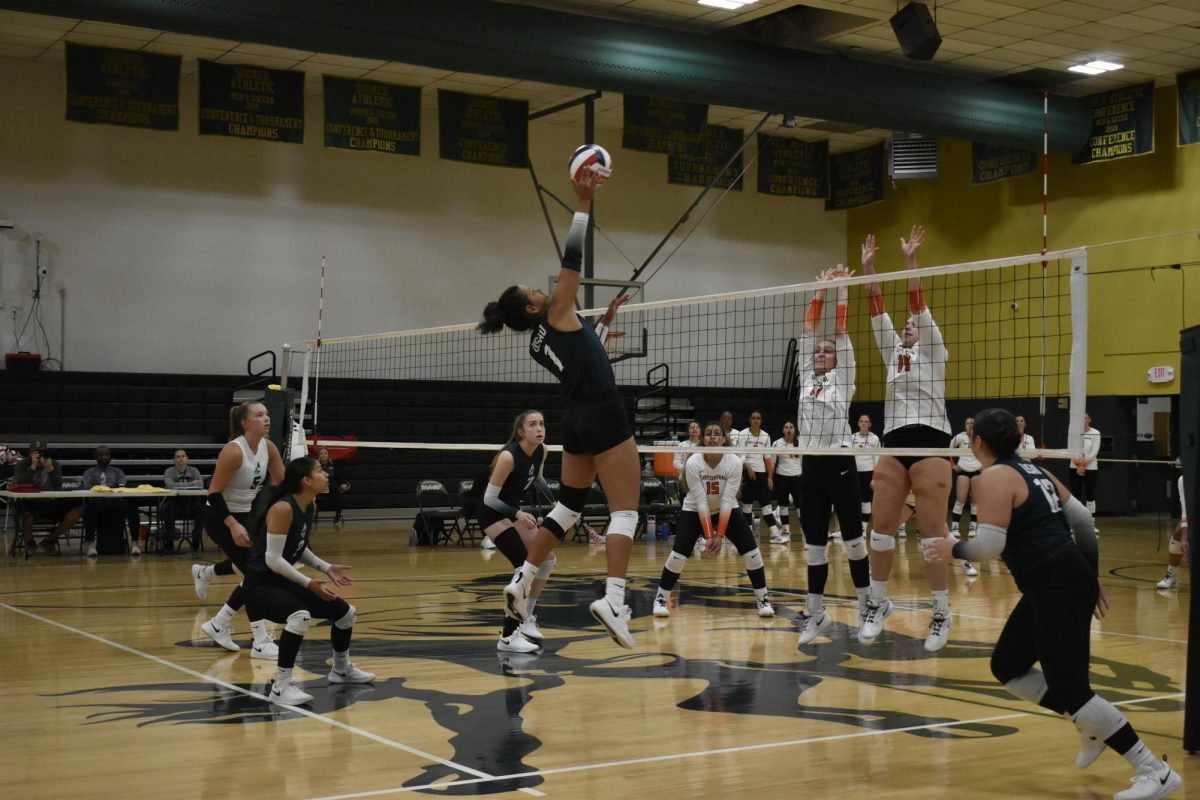
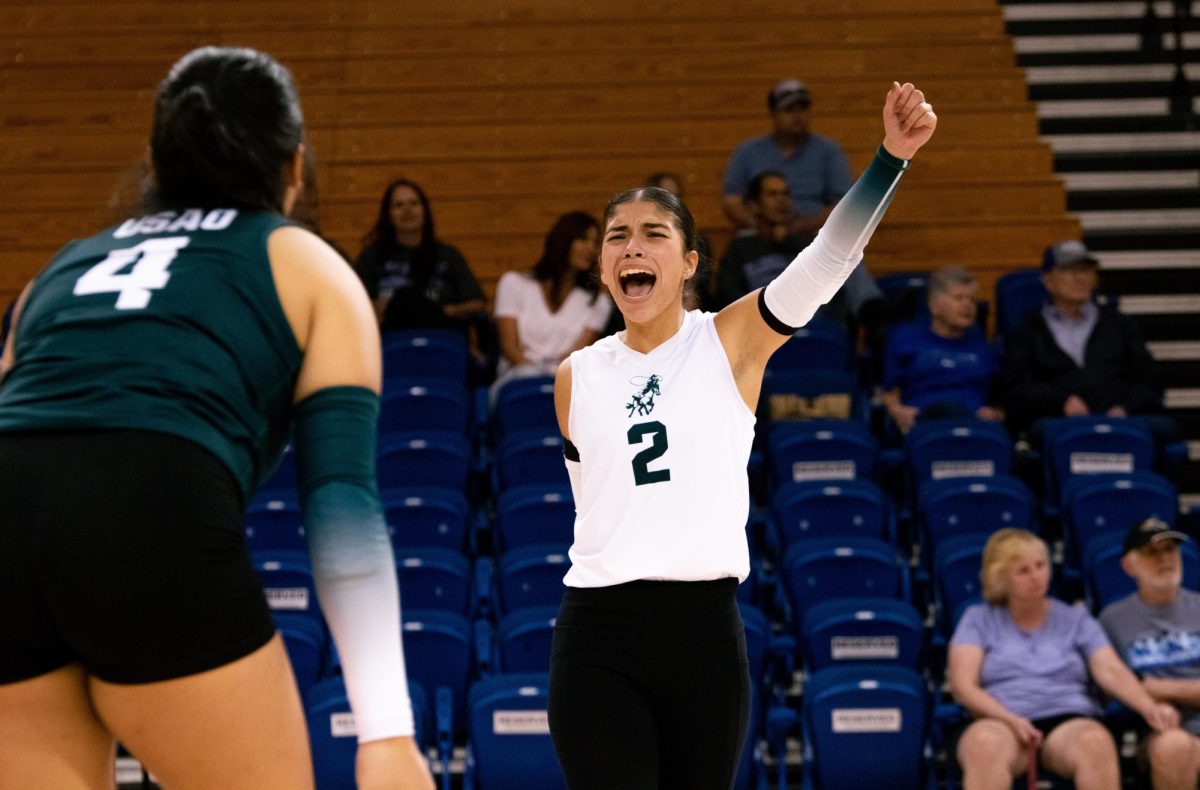
Chloe Conover is a junior Early Childhood Education major. She defined Blackness as pride in who you are. She went to the same school in a predominately white town from preschool to 12th grade and was from an all-white family. She later went to an HBCU (Historically Black Colleges and Universities) before transferring to USAO and, at her former college, discovered an awareness and pride of who she was. Her volleyball team at her previous college was almost entirely black, and being around that environment and hearing their stories, helped her see the beauty in Blackness.
“Black history means celebration of being who I am and realizing who I am and where I come from,” Conover said.
Her connection to her fellow teammates keeps her from feeling alone in environments where she might feel alienated.
“Different stories like that helped me stay connected to all that, even though not all of it I experienced because I grew up with white parents.”
She has also found that doing her hair with her teammates helps her feel connected to her culture. Hair is incredibly important in Black culture, which has its pros and cons. One example of this is a little girl she connected with at her job, who would come in with hair half done. She would braid her hair for her, and one day the girl’s grandmother noticed that she was the one doing it. She told her how much their family loved what she did with the girl’s hair.
Trinity Chatman is the SGA (Student Government Association) vice president, and a junior. To Chatman, Black History Month means awareness and history. Learning it and emphasizing it. A time of propping up stories that may be overshadowed at other times of the year. She went to a PWI (Predominantly White Institution) in first grade, and she lived in Moore. She described a time when she was comparing hand sizes with her white friends at school, and realized that being Black meant something.
“And it was when I realized that I’m black and I’m different, and, for the longest time, had a very negative connotation to me until at least high school,” Chatman said.
She talked about not quite fitting into her culture and felt that she didn’t fully get what it meant to be Black until she began looking inward. Blackness, Trinity learned, meant figuring out who she was. For her, that looked like taking control of her own personal style and figuring out how to style her hair. This led her to looking into her family history, seeing who had hair like her, and what connected her to them.
“That’s how I really stepped into my culture more and my blackness, so just kind of figuring out me as a whole, because I am already black, that’s just inherent.”
She emphasized how central knowing and being comfortable in yourself and your identity was to feel secure, even in all-white spaces.
“You will have some growth moments. You will have some, oh, I’m definitely not at home, kind of moments,” Chatman said.
Samaya Green is a freshman, SGA freshman ward, and SAB (Student Activities Board) secretary. Black History Month, to Green, is a time to recognize Black people, propping them into the spotlight. A time to give attention to a group that historically has always been sidelined. To her, being Black is just living in your own skin and being unapologetically yourself, even if it makes people uncomfortable.
She talked about how blackness, while never fully impeding her journey in life, has had its moments of oddness. Microaggressions can be a part of the Black experience, but Green has found other ways of connecting with her fellow peers. With USAO having a large LGBTQ+ population, Green finds it easier to find common ground.
“It is one of those things I do frequently think about, but on this campus, so many of us are queer that it’s normalized,” Green said.
Green also talked about how important being secure in who you are was to maintain a connection to blackness. Even when feeling like you’re being too loud, too “ghetto”, too Black, as long as you’re being true to yourself, no matter what that truth is.
“I’m okay with making other people uncomfortable with me being myself, because if you’re uncomfortable with me being anything I need to be, then I don’t need to be in a space with you,” she said.
This was learned at a leadership retreat. Something she wants USAO students to know is, no matter what, don’t be afraid to take up space.
“Make space for yourself, because if you don’t, you’re going to fall into a shadow. Especially if you are indigenous, if you are black, you are queer, you have to put yourself out there, or somebody else is going to do it, and you’re not going to have the opportunity.”
I, as someone who has always felt not quite connected to my identity, went into this month feeling a little lost, as I often do going into Black History Month. I had never had a strong connection to my family and have been in majority white communities my whole life. Having these discussions with these women has gotten me closer to that connection I’ve been wanting for much of my life, and I’m exiting this month with a newfound confidence in who I am and my place in the world. It’s important to note that Black History doesn’t start or end in February and should be celebrated and learned year-round. I am glad that we at least get this month to uplift the voices that don’t always get heard, because this doesn’t automatically happen everywhere.
Malik Roberts is a second-year communication major at the University of Science and Arts of Oklahoma.