




















This holiday season, whether you’re visiting family, commuting to work, going out with friends, or taking a long road trip on our much-needed break, it is important to keep in mind some of the unwritten or overlooked rules of the road, to keep yourself and those sharing it safe.
There are obvious things that you should do while driving, often in line with driving laws and what you learn in driver’s ed, such as using your turn signal, turning off your brights at night when there’s oncoming traffic, driving at a safe speed, etc. These next tips will go a little beyond those more basic considerations and may seem apparent to some drivers. Whether you’re hearing them for the first time or already implement them in your daily commute, they are still good to reiterate.
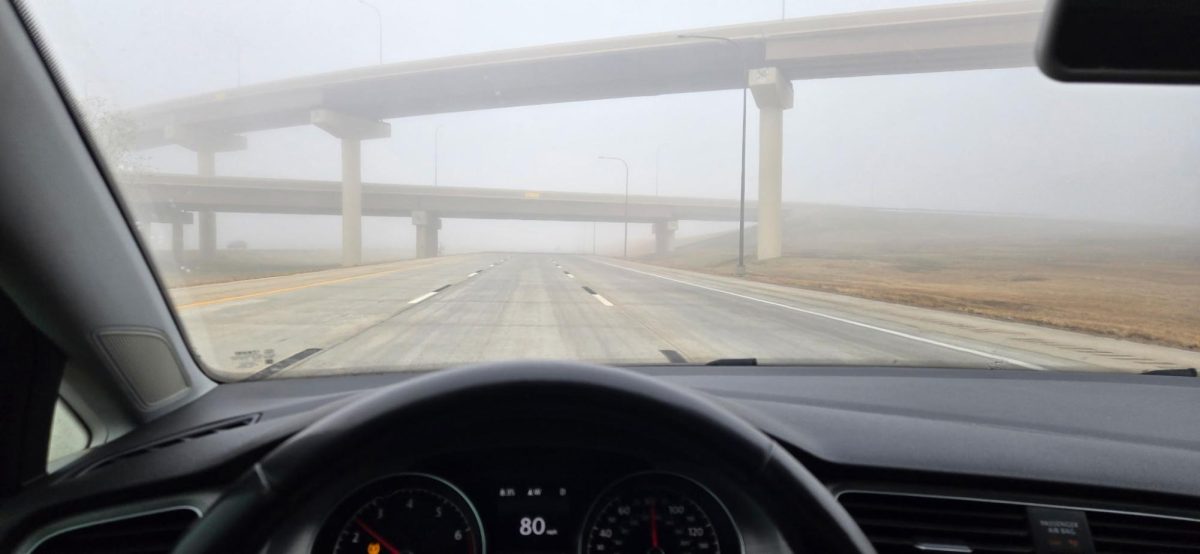
First is merging onto the highway, interstate, turnpike, or any road with an on-ramp. Most on-ramps (besides tight clover-leaf style ramps) are designed to allow you to reach highway speed, generally ranging from 60 to 80 miles per hour depending on the location, before actually joining the traffic on the road.
Reaching the speed of traffic is crucial to properly merge. While you must yield to the traffic already on the interstate, this becomes exponentially more difficult the slower you merge. Sometimes traffic will move to the left to leave the right lane open for merging traffic, but that is not possible most of the time.
The worst response is to slow down further and wait for an opening, because the average vehicle cannot reach highway speed from a slow roll or stop soon enough for that to be a safe option.
Instead, reach the speed limit while merging and look for an opening while doing so, at that point having more options for slightly slowing down or speeding up to fit into the existing traffic. Reaching this speed allows for a more seamless merge, and doesn’t block up the on-ramp or right lane.
Once merged onto any two lane (or higher) highway and able to maintain a consistent speed, be sure to stay in the right lane as long as it is clear of slower traffic. Sitting in the left lane not only blocks faster traffic and creates congestion, it also keeps emergency vehicles from effectively navigating traffic when speed is vital for them to respond to a situation.
When you are going the speed limit, speeding vehicles can be annoying and feel dangerous. However, blocking the lanes of traffic can encourage more erratic or dangerous driving from these drivers. While it is not an excuse for that behavior, when the stakes are as high as they are in fast-moving cars, it is crucial to deescalate rather than instigate a potentially costly or even deadly collision.
You should move to the left to be considerate of merging traffic, but only if it does not result in cutting off faster traffic. It is also good when coming up on slower right-lane traffic (another reason it is beneficial to merge at speed) but again be careful that there is not a car close to your left; it is better to match the speed of the car in front of you until there is an opening, than to jump in front of left lane traffic and force the faster traffic to suddenly and unexpectedly have to adjust to your speed or collide if they can’t respond quickly enough.
Lastly, it is also safest to move to the left for stopped or stalled vehicles on the shoulder, giving them a wide berth just in case. Some of the most prevalent and deadly accidents on I-44 and the H.E. Bailey Turnpike that goes through Chickasha is from traffic colliding with stopped vehicles on the shoulder.
Be sure if you have to stop on the shoulder for any reason, park your car as far from moving traffic as physically possible, and do not stay inside. Move away from your vehicle, and remember that it’s always good to keep blankets, coats, or other things to help you keep warm in case you are in an accident or become stranded as the weather gets colder.
These tips can be vital all year long and utilizing them in your daily driving habits will help you avoid unpleasant or dangerous situations while you travel.
Thomas Buchanan is a fourth-year art major at the University of Science and Arts of Oklahoma.